


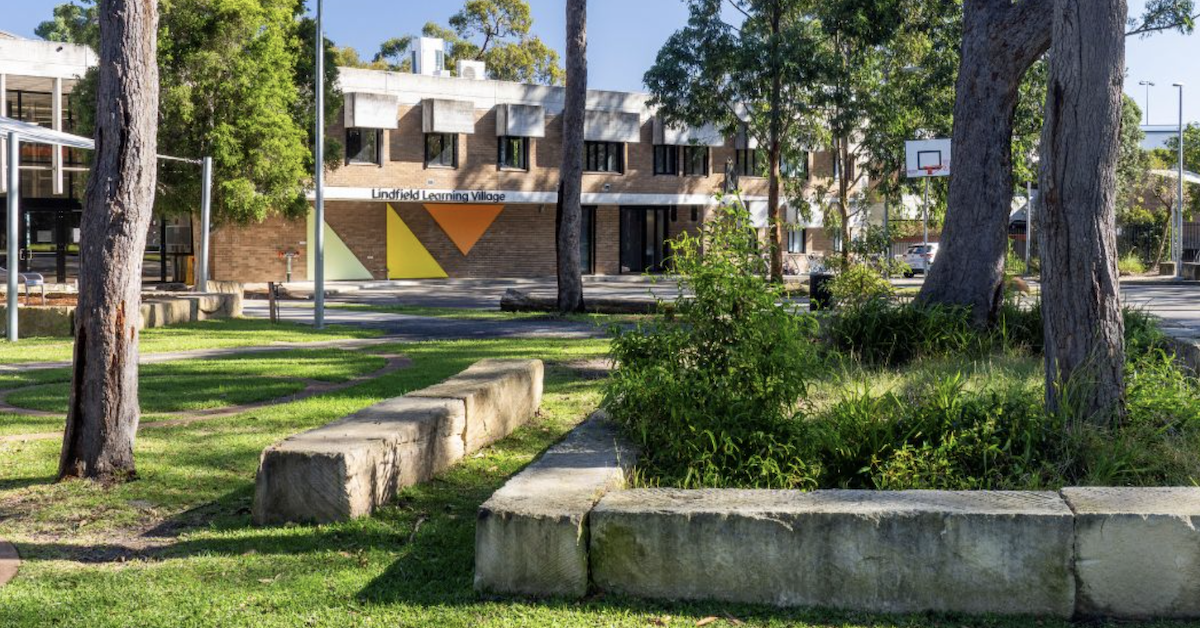
When one family moved from Sydney’s Northern Beaches to the North Shore, the decision was shaped by a single school. Lindfield Learning Village stood apart. It did not follow many of the conventions of a typical public school. There was no fixed uniform, no bells marking the day, and learning was built around projects rather than strict subject lines. For this parent, that difference was the point. Now, just over a year later, the school is changing.
A Different Kind of School
Lindfield Learning Village opened in 2019 with a model that challenged traditional schooling. Students progressed based on learning stages rather than age, worked across subjects in long-term projects, and addressed teachers by their first names. A flexible “multiform” replaced standard uniforms.
The approach drew interest from families across Sydney. Many enrolled because they were looking for something less rigid, but still grounded in strong teaching.
The school’s academic results have strengthened over time. Recent HSC outcomes placed it among the top-performing public comprehensive schools in New South Wales, with a growing number of students achieving high marks.
For families already at the school, those results reinforced their choice.
A New Direction
Under principal Ben Rekic, who took on the role in late 2024, the school is moving toward a more conventional structure.
The name will change to Lindfield College. A compulsory uniform will be introduced. Students across all year levels will receive formal report cards, and parent-teacher meetings will become a regular part of the school calendar.
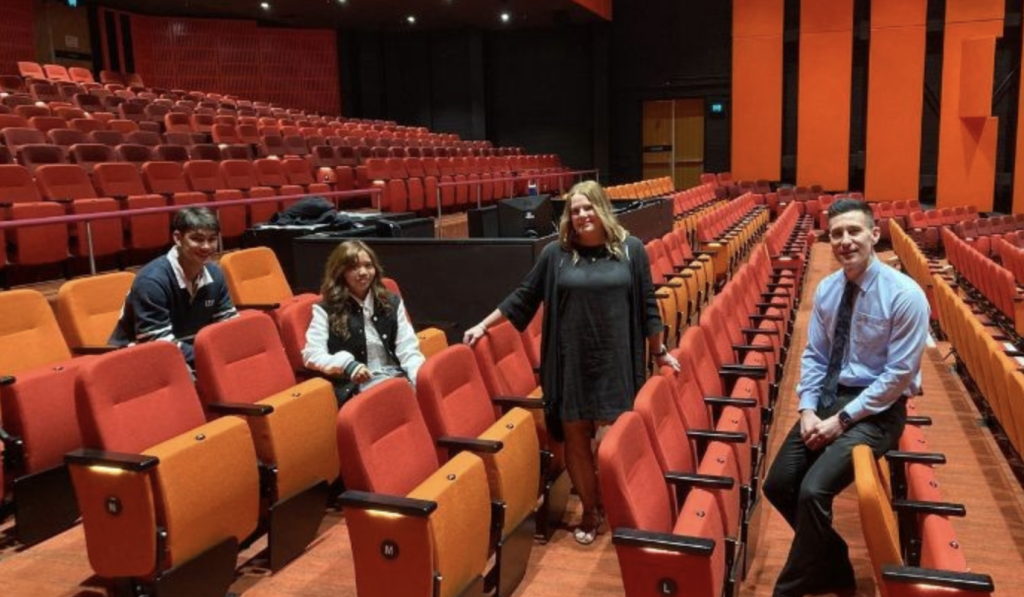
Photo Credit: NSW Education
The principal has said the school now identifies as a public comprehensive school rather than an alternative model. The aim is to provide clearer systems while keeping parts of the existing learning approach.
“Our new school plan reinforces our commitment to student voice and input, including the establishment of student leadership structures. This will empower students to contribute meaningfully and translate their ideas into action,” Mr Rekic said in a media statement.
Some elements will remain. Students will still call teachers by their first names, and project-based learning will continue alongside more traditional classroom methods. The campus will also stay bell-free, though practical adjustments such as additional clocks are planned.
A Community Split
For the parent who raised concerns to this publication, the issue is not just the changes themselves, but how they have come about.
They said many families chose the school for its original approach and feel that their views have not been fully reflected in the decisions. According to the parent, there was strong feedback from parts of the community against the uniform and name change, but the outcome did not shift. At the same time, the broader school community is not unified in its views.
“We were shocked to discover that the new leadership team at the school do not share our enthusiasm for the school they lead. There is a significant number of parents at the school who do not feel that they have been consulted adequately,” the parent said.
Survey findings suggest that current families generally feel supported and positive about the learning environment. However, some prospective families—particularly those who may soon fall within the school’s catchment—have expressed uncertainty about features such as the lack of a traditional uniform.
These differing expectations appear to be shaping the school’s next phase.
Beyond One School
The changes at Lindfield Learning Village are also tied to wider shifts in the area. Planned adjustments to local enrolment zones are expected to bring more in-area families into the school over the coming years, with full changes set to take effect later this decade.
As that transition unfolds, the school will serve a broader cross-section of the community. With that comes a need to balance different ideas of what a public school should look like.
For some families, that balance is already shifting. The parent said it is difficult to reconcile the scale of the changes with the school’s recent success. The concern is less about any single policy and more about whether the school will remain the place they originally chose.
Published 31-March-2026


